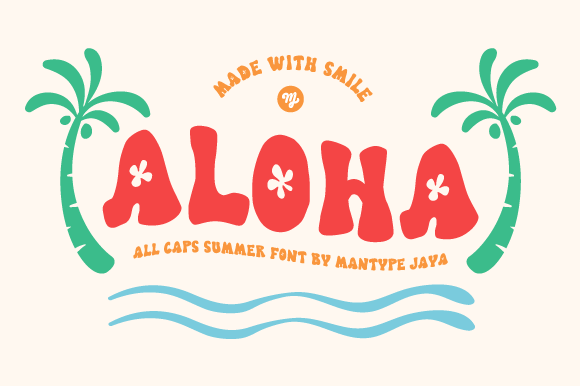
Aloha: The Sunny, Playful Display Font for Summer Designs
There's a particular energy to summer. It's in the longer days, the casual gatherings, the vibrant colors, and the sense of possibility. Capturing that feeling in a design project can be challenging, but the right typeface can do a lot of the heavy lifting. That's where Aloha comes in. This isn't just another font; it's a mood, a personality, and a design asset built for projects that need to feel fun, approachable, and full of life.
More Than Just a Thick, Quirky Typeface
At first glance, Aloha is unmistakably a display font. Its characters are thick, with generous, rounded strokes that give it a substantial, friendly presence. The quirks are in the details—subtle variations in letterform weight and playful terminals that avoid looking sterile or overly geometric. This gives Aloha a hand-crafted, organic quality. It doesn't feel like it was generated by a machine; it feels like it was made with a smile, which is precisely its charm.
The personality of this typeface is sunny, energetic, and optimistic. It evokes images of vintage surf shop signage, retro amusement park posters, and the bold typography found on classic summer camp merchandise. Yet, it maintains a modern sensibility. The letter spacing is generally open, ensuring that even at its thickest, the font remains legible and doesn't feel cramped. This balance between retro inspiration and contemporary design makes Aloha versatile for a range of applications, from logo design to social media graphics.
Where Aloha Truly Shines: Practical Applications
Understanding a font's visual appeal is one thing; knowing where to deploy it effectively is another. Aloha excels in contexts where you want to grab attention and convey a specific, upbeat vibe. Its strength is in headlines, logos, and short, impactful text blocks.
- Branding and Logo Design: For businesses in the lifestyle, food, beverage, or outdoor recreation sectors, Aloha can form the core of a memorable brand identity. Imagine it on the logo for a tropical juice bar, a beachside café, or a summer festival. Its thick weight ensures visibility and recognition across different sizes.
- Merchandise and Packaging: This is where the font truly feels at home. Aloha is ideal for t-shirt designs, tote bags, and hats. Its playful nature translates perfectly to packaging design for products like sunscreen, snacks, or craft beverages. The font's personality helps products stand out on a shelf or in an online store.
- Event and Party Decorations: Planning a summer party, wedding, or community event? Aloha can bring a cohesive, festive look to invitations, banners, signage, and table numbers. It sets a tone that is celebratory and welcoming.
- Digital and Editorial Use: While it's a display font, Aloha can be used strategically in web design for hero sections, call-to-action buttons, or promotional graphics. In editorial design, it can make chapter titles or pull quotes in a magazine or blog pop with energy. It's a fantastic tool for content creators looking to add visual flair to their YouTube thumbnails or Instagram posts.
Making Aloha Work for Your Project: A Practical Guide
Choosing any premium font, including Aloha, requires more than just liking how it looks. You need to evaluate its fit for your specific project's goals and audience.
Evaluating Project Fit: Start by considering your project's core message and audience. Aloha communicates fun, nostalgia, and approachability. It's a superb choice for a children's summer camp brochure but might not be the right fit for a law firm's annual report. Its personality is strong, so it should align with the brand voice you're trying to establish.
Font Pairing and Hierarchy: Because Aloha is so distinctive, it pairs best with simpler, more neutral typefaces. Use it for your headlines and pair it with a clean sans serif font or a straightforward serif font for body text. This creates a clear visual hierarchy, ensuring your design is both eye-catching and easy to read. Avoid pairing it with other highly decorative script fonts or handwritten fonts, as this can create visual chaos.
Readability and Licensing: Given its thick, display-oriented style, Aloha is best used at larger sizes. For small body text, opt for a more legible companion font. Always check the licensing terms. If you're using it for commercial projects—like selling merchandise or using it in a client's brand materials—ensure you have the appropriate commercial license. This protects both you and the font's creator.
When you test Aloha in your designs, pay attention to how it interacts with your color palette and imagery. Its bold forms can handle vibrant colors, but it also works surprisingly well in monochromatic or limited-color schemes where the letterforms themselves become the focal point. The key is to let its sunny, energetic character enhance your project without overwhelming it.
In the end, Aloha is more than just a creative font; it's a tool for evoking a specific feeling. Used thoughtfully, it can infuse your designs with the unmistakable, joyful energy of summer, helping your work connect with an audience looking for that same sense of fun and warmth.