Vintage Cowboy Hat: A Sketch-Style Font for Rustic Charm
What Exactly Is This Creative Font?
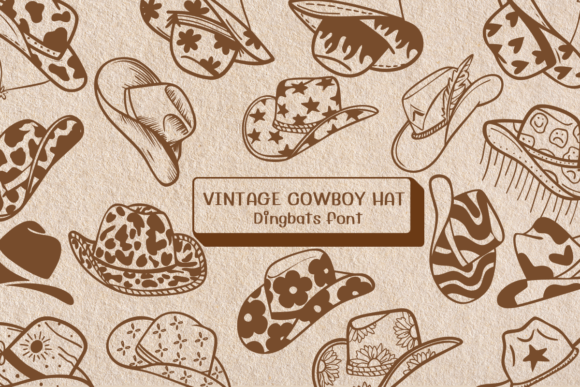
You might hear "Vintage Cowboy Hat" and immediately picture a dusty saloon or a classic Western film. In the world of design, however, it refers to a specific dingbats font that captures that rugged, nostalgic spirit. Unlike a standard serif font or a clean sans serif font that you might use for body text, this typeface is built purely for decoration. It doesn't contain letters A-Z in the traditional sense; instead, it offers a collection of vector illustrations styled to look like hand-drawn sketches.
The "sketch style" is the defining characteristic here. When you type a character using the Vintage Cowboy Hat font, you get a graphic—perhaps a cactus, a sheriff's badge, a horseshoe, or a longhorn skull—that looks like it was drawn with a charcoal pencil or a rough pen. This aesthetic provides an immediate "handmade" vibe that polished, digital vector graphics often lack. It feels organic, imperfect, and deeply personal, which is exactly why it works so well for specific projects.
Where This Typeface Shines Brightest
Understanding where to apply a dingbats font like this is key to getting the most value out of it. Because it is a display font in nature—meaning it’s meant to be seen large and used for impact—it excels in projects where visual storytelling takes precedence over long-form reading.
Wedding Invitations and Event Stationery
For couples planning a rustic, barn, or country-themed wedding, finding the right design assets can be a challenge. You need graphics that feel cohesive with the theme without looking clip-art-ish. Vintage Cowboy Hat fits perfectly here. You can use the glyphs to create corner flourishes on a menu card or use a saddle icon as a wax seal design. The sketch style pairs beautifully with a script font for the names and a clean serif font for the details, creating a balanced visual hierarchy.
Branding and Logo Design
If you are a small business owner running a BBQ restaurant, a leather goods shop, or an outdoor adventure company, this font is a goldmine for logo design. Using the icons from the Vintage Cowboy Hat font allows you to build a mark that feels authentic to the American West. For a brand identity that needs to convey durability and tradition, a sketch-style icon is often more effective than a generic stock image. It helps in building immediate brand recognition because the style is distinct and memorable.
Digital Content and Social Media
In the fast-paced world of social media graphics, stopping the scroll is everything. Bloggers and content creators can use these dingbats to break up text on a website or create unique Instagram story highlights. Imagine a travel blogger documenting a trip through the Southwest; using these icons as bullet points or post dividers adds a layer of thematic consistency that elevates the entire feed. It transforms standard web design elements into a cohesive narrative.
Influence on Brand Perception and Engagement
Typography and iconography do more than just fill space; they evoke emotion. When you incorporate a vintage font style into your materials, you are signaling specific values to your audience. The Vintage Cowboy Hat font suggests authenticity, grit, and a connection to the past.
In packaging design, for example, using these sketch-style icons can make a product feel more artisanal. If you are selling homemade hot sauce or craft jerky, a hand-drawn vector of a chili pepper or a steer adds to the perception of quality. It tells the customer that care went into the presentation, which often translates to a perception of care in the product itself.
Furthermore, using a creative font like this can improve audience engagement. Humans are visual creatures; we process images much faster than text. A well-placed icon from the Vintage Cowboy Hat collection can act as a visual anchor, guiding the viewer's eye through your editorial design or brochure. It breaks the monotony of text blocks, making the content feel more accessible and less intimidating to read.
Practical Guidance for Designers and Creators
As a designer or creator, simply having the font installed isn't enough. You need to know how to integrate it effectively into your workflow. Here is some practical advice on evaluating and using this premium font asset.
Evaluating Project Fit
Before you start dropping icons everywhere, ask yourself if the "Western" aesthetic aligns with the project's goals. This font is a niche tool. It is not a universal solution. It works wonders for a country music festival poster but would likely be out of place on a corporate banking report. Always consider your audience. If you are targeting adults aged 20-50 who appreciate nostalgia and craftsmanship, this is a strong choice. If you are targeting a futuristic tech startup, look elsewhere.
Testing Font Pairings
A dingbats font doesn't exist in a vacuum. It needs typographic partners. Because the Vintage Cowboy Hat style is rough and textured, it pairs best with typefaces that don't compete for attention.
- With Serif Fonts: A classic, sturdy serif font can ground the sketchy icons, giving them a more formal, editorial look suitable for magazines or high-end menus.
- With Sans Serif Fonts: A clean, geometric sans serif font offers high contrast. The simplicity of the text allows the complex details of the icons to stand out, which is great for modern logo design.
- With Handwritten Fonts: Be careful here. Pairing a sketch icon with a handwritten font can look amazing if the weights match, but it can also look messy if the styles clash. Ensure the handwritten text is legible.
Readability and Application
Remember, this is a display tool. Do not try to use these icons at very small sizes, such as 8pt or 10pt type in a dense paragraph. The "sketch" details will turn into muddy pixels or confusing blobs. Use them at larger sizes where the line work is visible. This is essential for maintaining professionalism in your final output, whether it is print or digital.
Licensing and Commercial Use
Finally, always check the license. If you are using this for a personal DIY project, a standard license is usually fine. However, if you are using it for commercial font applications—like selling t-shirts with the icons printed on them or using them in a client's logo—you need to ensure your license covers commercial usage. respecting licensing protects you legally and supports the designers who create these unique design assets.
Unlocking Creativity with the Right Assets
The Vintage Cowboy Hat font is more than just a collection of symbols; it is a toolkit for visual storytelling. Whether you are a hobbyist making decorations for a party or a professional designer working on brand identity, having access to a high-quality, themed dingbats font